
Rubbish Removal Safety Tips: How to Stay Safe During Waste Disposal
Rubbish removal is an essential part of maintaining a clean, healthy, and organised environment. Whether you are clearing out household junk, renovating your property, managing garden waste, or handling commercial debris, safety should always come first. Improper rubbish handling can lead to injuries, environmental hazards, and health risks. By following proper safety practices, you can make rubbish removal efficient while protecting yourself, others, and the environment.
This guide covers important rubbish removal safety tips for homeowners, businesses, and workers involved in waste management.
Why Rubbish Removal Safety Matters
Many people underestimate the dangers associated with rubbish removal. Sharp objects, hazardous chemicals, heavy lifting, and improper disposal methods can cause serious accidents. Common risks include:
- Cuts and puncture wounds
- Back and muscle injuries
- Exposure to toxic materials
- Trips and falls
- Fire hazards
- Environmental contamination
Understanding these risks helps you prepare properly before starting any rubbish removal task.
Wear the Right Protective Gear
One of the most important safety steps is using personal protective equipment (PPE). Proper gear protects you from injuries and harmful substances.
Essential Protective Equipment
- Heavy-duty gloves to protect hands from sharp objects
- Safety goggles to shield eyes from dust and debris
- Face masks when handling dusty or hazardous materials
- Steel-toe boots for foot protection
- Long sleeves and pants to reduce skin exposure
- High-visibility clothing if working near roads or construction sites
Never handle rubbish with bare hands, especially if you are unsure about the contents.
Sort Waste Before Removal
Sorting rubbish before disposal improves safety and efficiency. Mixing hazardous materials with regular waste can create dangerous situations.
Common Waste Categories
- Household waste
- Recyclable materials
- Green waste
- Construction debris
- Electronic waste
- Hazardous waste
By separating materials, you reduce the chance of contamination and ensure proper disposal methods are followed.
Be Careful with Heavy Lifting
Improper lifting is one of the leading causes of injuries during rubbish removal. Heavy furniture, appliances, and construction materials can strain muscles and joints.
Safe Lifting Tips
- Bend your knees, not your back
- Keep the load close to your body
- Avoid twisting while lifting
- Ask for help with bulky items
- Use trolleys, wheelbarrows, or lifting straps when possible
If an object feels too heavy, do not attempt to lift it alone.
Handle Sharp Objects Safely
Broken glass, nails, metal scraps, and sharp plastics are common hazards in rubbish piles. These items can easily cause cuts or infections.
Safety Precautions
- Wrap broken glass in thick paper or cardboard
- Place sharp items in puncture-resistant containers
- Label dangerous materials clearly
- Never compress rubbish bags with your hands or feet
Always inspect waste carefully before picking it up.
Dispose of Hazardous Waste Properly
Certain materials require special handling because they can harm people, animals, and the environment.
Examples of Hazardous Waste
- Paints and solvents
- Batteries
- Chemicals and pesticides
- Asbestos
- Medical waste
- Fluorescent light bulbs
Never place hazardous materials in regular rubbish bins. Contact your local waste disposal authority or a professional rubbish removal company for proper disposal methods.
Avoid Overloading Bins and Trucks
Overfilled rubbish bins can become unstable and dangerous. Overloading also increases the risk of spills and accidents during transportation.
Best Practices
- Distribute weight evenly
- Do not exceed weight limits
- Keep heavy items at the bottom
- Ensure lids close properly
- Secure loose debris during transport
Proper loading improves both safety and efficiency.
Keep Children and Pets Away
Rubbish removal areas can contain dangerous tools, sharp objects, and hazardous materials. Children and pets should always stay away from active cleanup zones.
Safety Measures
- Create a restricted work area
- Store tools securely
- Keep rubbish bags out of reach
- Supervise children at all times
Maintaining a controlled environment helps prevent accidents.
Use the Correct Tools and Equipment
Using the right tools makes rubbish removal safer and easier. Attempting to move heavy or awkward items without proper equipment can lead to injuries.
Useful Equipment
- Hand trucks and dollies
- Wheelbarrows
- Rakes and shovels
- Heavy-duty rubbish bags
- Brooms and dustpans
- Skip bins for large projects
Inspect all equipment before use to ensure it is in good condition.
Watch for Biological Hazards
Some rubbish may contain bacteria, mold, insects, or animal waste that can spread disease.
Common Biological Risks
- Rotten food
- Moldy materials
- Used needles
- Animal droppings
- Dead animals
Wear gloves and masks when handling potentially contaminated waste. Wash your hands thoroughly after completing the task.
Be Mindful of Fire Hazards
Certain rubbish materials are highly flammable and can create fire risks if not stored or disposed of correctly.
Fire Prevention Tips
- Keep combustible materials away from heat sources
- Do not burn rubbish without permission
- Dispose of batteries safely
- Store chemicals in sealed containers
- Avoid mixing flammable substances
Proper handling reduces the risk of accidental fires.
Stay Hydrated and Take Breaks
Rubbish removal can be physically demanding, especially during hot weather. Fatigue and dehydration increase the likelihood of accidents.
Health and Safety Tips
- Drink plenty of water
- Wear lightweight clothing in warm conditions
- Take regular breaks
- Avoid overexertion
- Work during cooler parts of the day when possible
Listening to your body helps prevent exhaustion and heat-related illnesses.
Practice Safe Driving During Waste Transport
Transporting rubbish requires careful driving practices to avoid accidents on the road.
Transport Safety Guidelines
- Secure loads properly
- Avoid overloading vehicles
- Use warning flags for oversized items
- Check mirrors and blind spots frequently
- Follow local transportation regulations
Loose debris can become a serious hazard to other drivers if not secured correctly.
Know Local Disposal Regulations
Every area has specific rules regarding rubbish disposal. Ignoring local regulations can result in fines and environmental damage.
Important Considerations
- Recycling requirements
- Hazardous waste disposal rules
- Collection schedules
- Permit requirements for skip bins
- Illegal dumping penalties
Research local waste management guidelines before beginning a major cleanup project.
Hire Professional Rubbish Removal Services
For large-scale cleanups or hazardous waste removal, hiring professionals is often the safest option. Experienced rubbish removal companies have the equipment, training, and knowledge to handle waste responsibly.
Benefits of Professional Services
- Reduced injury risk
- Proper waste sorting
- Environmentally responsible disposal
- Faster cleanup
- Compliance with local laws
Professional rubbish removal experts can safely manage difficult or dangerous rubbish removal tasks.
Environmental Responsibility in Rubbish Removal
Safe rubbish removal is not only about protecting people but also about protecting the environment. Improper disposal contributes to pollution, wildlife harm, and landfill overflow.
Eco-Friendly Practices
- Recycle whenever possible
- Donate usable items
- Compost organic waste
- Reduce single-use products
- Choose environmentally conscious disposal companies
Responsible waste management creates cleaner communities and supports sustainability.
Emergency Preparedness During Cleanup
Accidents can still happen even with proper precautions. Being prepared for emergencies is important.
Emergency Essentials
- Keep a first aid kit nearby
- Have emergency contact numbers available
- Know the location of the nearest medical facility
- Learn basic first aid techniques
Quick action can reduce the severity of injuries if an accident occurs.
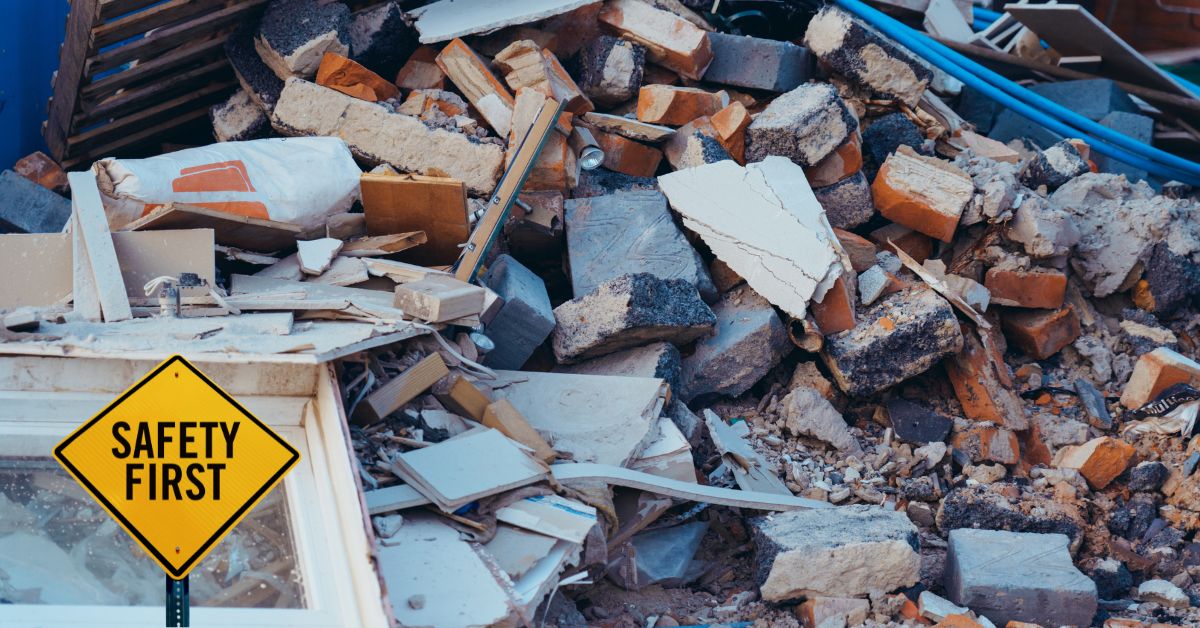
Tips for Construction and Renovation Waste
Construction sites often contain dangerous materials and heavy debris.
Construction Waste Safety Tips
- Wear hard hats when necessary
- Watch for exposed nails and sharp edges
- Use dust suppression methods
- Dispose of asbestos through licensed professionals
- Keep pathways clear to avoid trips and falls
Construction rubbish requires extra caution due to the increased risks involved.
Conclusion
Rubbish removal may seem like a straightforward task, but it involves many potential hazards that should never be ignored. By wearing protective equipment, handling waste carefully, using proper lifting techniques, and following local disposal regulations, you can significantly reduce risks and create a safer cleanup process.
Whether you are handling household junk, commercial waste, or construction debris, prioritising safety protects your health, your property, and the environment. When in doubt, seek help from professional rubbish removal services to ensure waste is managed responsibly and efficiently.
Safe rubbish removal is not just about getting rid of unwanted items, it is about creating cleaner, healthier, and safer spaces for everyone.
Book Your Rubbish Removal in Brisbane Today!
Get fast, reliable, and eco-friendly rubbish removal in brisbane with our experienced team. We handle everything from collection to responsible disposal, making the process simple and stress-free for you.
Contact Us