

Renovation Waste Removal: What’s Included & What’s Not
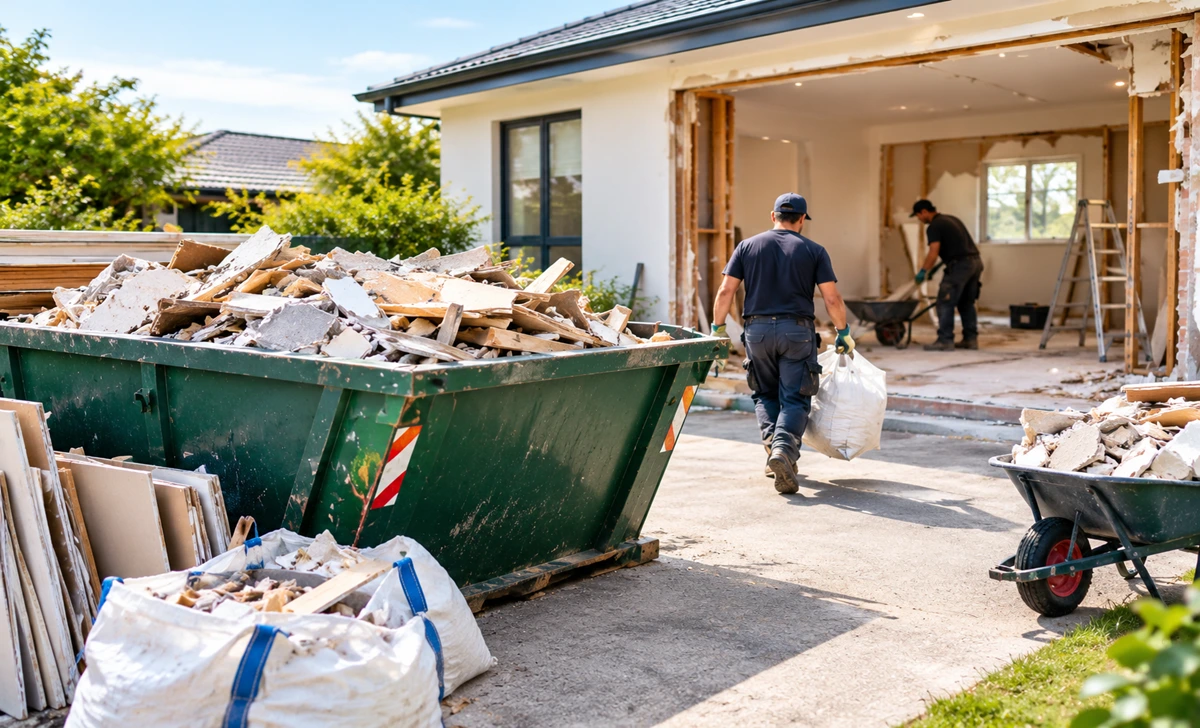
Renovating a kitchen, bathroom, bedroom or outdoor area can make a major difference to a property, but the work can also generate a substantial amount of waste. Removing old fittings and materials often leaves behind timber, tiles, plasterboard, flooring, cabinetry, packaging and general demolition debris.
Understanding what can be included in renovation waste removal and which materials may require separate handling helps you plan the clean-up properly. It can also reduce unnecessary trips to the tip and prevent unsuitable materials from being mixed with general renovation rubbish.
Every renovation produces a different combination of waste. A small flooring replacement may leave only a few bulky items, while a larger renovation can generate heavy building materials and several types of demolition debris. Identifying these materials before work begins makes it easier to organise safe, efficient and responsible waste removal.
What Counts as Renovation Waste?
Renovation waste refers to unwanted materials and items left behind during property upgrades, repairs, renovations or partial demolition. The type and volume can vary considerably depending on the scale of the project, the materials being replaced and how much of the existing structure is removed.
A straightforward flooring replacement may leave behind carpet, underlay and packaging, while a larger renovation can produce a mixture of broken tiles, cabinetry, plasterboard, timber, bricks and demolition debris. Identifying these materials early makes it easier to plan renovation waste removal and determine whether any items need separate handling or disposal.
Common examples include:
- Timber and wood offcuts
- Plasterboard
- Broken tiles
- Carpet and other flooring
- Old cabinets and joinery
- Bricks and concrete
- Doors and removable fixtures
- Scrap metal
- Cardboard and packaging
- General demolition debris
Because renovation projects often produce several types of waste at once, it is important to consider both the material and the quantity before arranging collection.
What Is Usually Included in Renovation Waste Removal?
Most renovation clean-ups involve a mixture of bulky materials, building offcuts and general debris. The exact items accepted can depend on their type, condition and disposal requirements.
Timber, Plasterboard and Building Materials
Timber can come from framing, flooring, shelving, cabinetry and other building work. Plasterboard is also common when internal walls or ceilings are altered.
A few pieces may not seem like much, but a larger renovation can produce enough material to occupy a significant part of the property. Keeping these materials together can make the collection process more organised.
Tiles, Flooring and Rubble
Old tiles, laminate, vinyl, carpet and underlay are common when flooring is replaced. Kitchens and bathrooms can also produce broken tiles, grout and other demolition debris.
Bricks and concrete are different because they are particularly dense. Even a relatively small pile can become very heavy, so the quantity should be considered before arranging removal.
Cabinets, Joinery and Fixtures
Old kitchen cabinets, bathroom vanities, shelving and other built-in items can form a large part of a renovation clean-up.
These items can also be awkward to remove from the property. Large cabinets may need to be carried through narrow hallways, staircases or doorways, particularly when several units are being removed at once.
If furniture is also being replaced during the renovation, old furniture removal can be relevant for clearing unwanted sofas, tables, cabinets and other bulky household items.
Packaging and General Waste
New renovation products usually arrive with cardboard boxes, plastic wrapping, foam and protective packaging. This waste builds up gradually and is easy to overlook when planning the project.
Where practical, keeping cardboard and other recyclable materials separate from mixed demolition waste can make sorting and disposal easier.
What May Not Be Included?
Not every material from a renovation should automatically be placed into a general rubbish load. Some products need separate handling because of safety, environmental or disposal requirements.
Asbestos-Containing Materials
Asbestos is one of the most important materials to identify before renovation or demolition work begins.
Older properties may contain asbestos in wall sheeting, ceilings, eaves, flooring and other building products. It is not safe to assume that an older material is harmless simply because it looks similar to ordinary cement sheeting.
If asbestos is suspected, work in the affected area should stop until the material can be properly assessed. Removal should be handled by an appropriately licensed professional rather than mixed with ordinary renovation waste.
Chemicals, Paints and Other Hazardous Materials
Renovation projects can produce leftover paint, solvents, adhesives, fuels and other chemical products. These materials may have specific disposal requirements and should not simply be mixed with ordinary building waste.
If you are unsure about a particular chemical or product, identify it before arranging rubbish collection so the appropriate disposal option can be confirmed.
Gas Bottles and Pressurised Containers
Gas bottles and other pressurised containers also require care. They should not be placed into a general rubbish pile without checking the appropriate disposal requirements.
Mention unusual or potentially hazardous items when arranging collection rather than assuming they can be handled in the same way as timber, tiles or plasterboard.
Bathroom Renovation Waste
Bathrooms can produce a particularly varied mixture of waste because several fixtures and finishes are often removed at the same time.
A typical bathroom renovation may involve:
- Broken tiles
- Old vanity units
- Toilets
- Baths
- Shower screens
- Cabinets
- Flooring
- Plasterboard
- Timber
- Packaging
- Demolition debris
For a bathroom project, bathroom renovation rubbish removal can be useful because bathroom strip-outs can involve heavy tiles, bulky fixtures, broken glass and other difficult-to-handle materials.
When Should Renovation Waste Be Removed?
There is no need to wait until every part of a renovation is finished before clearing the waste. In many cases, scheduling renovation waste removal at the right stages can keep the work area cleaner, safer and easier to access.
During demolition, large amounts of debris can build up quickly. Clearing this material once the main demolition work is complete creates more space for the next stage and reduces the amount of rubbish around active work areas.
Some projects may also benefit from a collection between demolition and installation. This allows old materials to be cleared before new cabinets, flooring or fixtures are brought into the area.
A final renovation waste removal service can then take care of remaining offcuts, packaging and general renovation debris once the main work has been completed. For larger projects, several smaller collections may be more practical than allowing waste to build up around the property for weeks.
How to Prepare for Collection
A little preparation can make renovation waste removal safer and more efficient.
- Identify the waste early. Make a rough list of the materials expected to be removed.
- Separate unusual materials. Keep suspected hazardous or specialist waste away from ordinary renovation debris.
- Create an accessible collection area. Avoid placing rubbish where it blocks entrances, driveways or active work areas.
- Handle sharp materials carefully. Broken tiles, exposed nails and damaged glass can cause injuries if left loose.
- Mention heavy materials. Large amounts of concrete, bricks or other dense waste should be identified before collection.
- Clear waste regularly. Removing rubbish throughout the project can keep the site safer and easier to access.
The Pro Rubbish Away service process involves booking the job, receiving an upfront quote, collection and loading, followed by transport, sorting and disposal.
Can Renovation Waste Be Recycled?
Some renovation materials may be suitable for recycling, reuse or recovery, depending on their condition and the available processing facilities.
Potentially recoverable materials can include:
- Clean metal
- Cardboard
- Some timber
- Bricks
- Selected flooring materials
- Reusable fixtures and fittings
Not everything can be recycled. Mixed, contaminated or damaged materials may have fewer recovery options.
Where practical, separating suitable recyclable materials from general waste can make the disposal process more efficient and help reduce unnecessary landfill.
Renovation Waste vs Household Rubbish
Renovation waste can often end up mixed with household rubbish, particularly when a homeowner is updating a room, replacing furniture or clearing out storage at the same time. However, these two types of waste are generally quite different and may require different disposal methods.
Renovation waste typically includes building materials such as tiles, plasterboard, timber, bricks, concrete and demolition debris. Household rubbish, on the other hand, may include unwanted furniture, appliances, boxes, personal belongings and general household clutter. Separating these materials where practical can make renovation waste removal more organised and help ensure different types of waste are handled appropriately.
If a renovation also involves a wider property clean-up, household rubbish removal can be relevant for the unwanted household items that sit alongside the building waste.
Keeping these materials organised can make the clean-up easier and reduce the chance of unsuitable items being mixed together.
How Much Waste Does a Renovation Produce?
There is no fixed amount because every renovation is different.
Replacing carpet in one bedroom may produce a relatively small amount of waste. A kitchen renovation can generate cabinetry, benchtops, flooring, tiles, packaging and old fixtures. A larger property renovation can create several different waste streams at once.
The amount depends on factors such as:
- The size of the renovation
- How much of the existing structure is removed
- The materials being replaced
- The number of fixtures being removed
- Whether walls or ceilings are demolished
- The amount of new-material packaging
- How often waste is removed during the project
For this reason, estimating the amount of waste based only on the size of a room or property can be misleading.
DIY Disposal or Professional Removal?
Small renovation projects may produce a manageable amount of waste if you have suitable transport and a practical way to dispose of it. Larger clean-ups can be more challenging, particularly when the waste includes heavy, bulky or awkward materials.
DIY disposal often means loading a trailer or vehicle, securing the waste for transport, making multiple trips and covering disposal fees. It can also take time away from the renovation and leave you handling materials that may be difficult to move safely.
Professional renovation waste removal offers a practical alternative when a project produces large amounts of demolition debris, bulky fixtures or building materials. A suitable removal service can handle the lifting, loading, transport and disposal, helping keep the renovation area clear and allowing the project to stay on schedule.
For larger building and renovation projects, construction waste removal is particularly relevant for materials such as timber, plasterboard, bricks, tiles, concrete and demolition debris. Pro Rubbish Away lists these materials among the renovation and construction waste it handles.
How to Keep Renovation Waste Under Control
Good waste management starts before demolition begins.
A few simple steps can prevent rubbish from taking over the property:
- Plan what will be removed before work starts.
- Set aside a suitable area for waste.
- Keep entrances and walkways clear.
- Remove large amounts of debris regularly.
- Keep specialist or hazardous materials separate.
- Reuse suitable materials where practical.
- Avoid mixing chemicals with ordinary rubbish.
- Arrange collections around major stages of the renovation.
For commercial renovations, the waste may also include office furniture, shelving, packaging and general workplace rubbish. Where building waste forms part of a wider workplace clean-up, commercial rubbish removal may also be suitable.
Frequently Asked Questions
1). What is normally included in renovation waste removal?
Common renovation waste includes timber, plasterboard, tiles, flooring, cabinetry, bricks, concrete, packaging and general demolition debris. The exact materials accepted depend on their type, condition and disposal requirements.
2). Can old kitchen cabinets be removed?
Yes. Old kitchen cabinets, bathroom vanities, shelving and other joinery are common renovation waste. Their size, weight and access to the property should be considered when arranging collection.
3). Can tiles, bricks and concrete be removed together?
These materials can form part of a renovation waste collection, but large quantities of heavy materials need to be assessed carefully because they can increase the overall load weight quickly.
4). Can asbestos be included with normal renovation rubbish?
No. Suspected asbestos should be kept separate and assessed by an appropriately licensed professional. It should not be broken up, moved unnecessarily or placed into a general rubbish load.
5). When should renovation waste be removed?
It depends on the project. Removing waste after demolition or between major stages can keep the work area clear, while a final collection can deal with remaining packaging, offcuts and debris.
6). Is professional removal suitable for a small renovation?
It can be, depending on the amount and type of waste. Even smaller projects can produce bulky flooring, cabinetry, tiles and demolition materials that are difficult to transport safely.
Final Thoughts
Renovation waste can quickly become one of the more challenging parts of a property upgrade. Timber, plasterboard, tiles, cabinetry, flooring, packaging and demolition debris can take up valuable space, while some materials need separate handling and disposal.
Planning waste removal early and clearing debris at the right stages can keep the renovation area safer, cleaner and easier to work in. It also prevents heavy and bulky materials from building up around the property once the main work is complete.
When renovation debris starts taking over your work area, renovation waste removal can provide a practical way to clear building materials, old cabinetry, flooring, demolition debris and other eligible renovation rubbish. Planning the clean-up properly can help keep your renovation moving with a cleaner, more organised site.
Book Your Rubbish Removal in Brisbane Today!
Get fast, reliable, and eco-friendly rubbish removal in brisbane with our experienced team. We handle everything from collection to responsible disposal, making the process simple and stress-free for you.
Contact Us