
Office Clear-Outs Brisbane: What’s Involved?
Office spaces naturally accumulate unwanted furniture, outdated equipment, paperwork, packaging, and general clutter over time. What may begin as a few unused desks or old computers can quickly turn into a large amount of waste, especially when a business is moving, renovating, downsizing, or closing an office.
This is where professional office clear-outs in Brisbane can make a major difference.
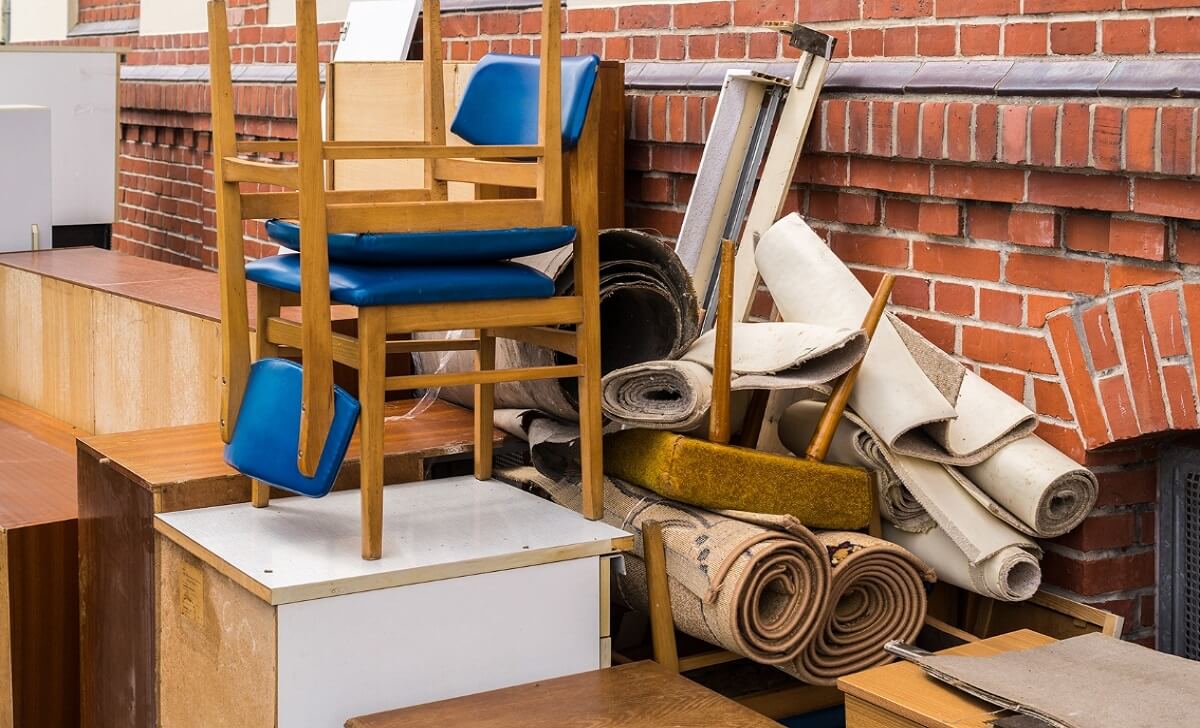
An office clear-out involves removing unwanted items from a workplace and preparing the space for its next purpose. Depending on the business, this may include everything from office desks and chairs to computers, shelving, kitchen appliances, carpets, cardboard, and general rubbish.
For businesses, clearing an office is not simply about throwing things away. It involves planning, sorting, lifting, transporting, recycling, and disposing of unwanted items responsibly.
Whether you are relocating to a new premises, preparing an office for a renovation, or simply trying to reclaim valuable workspace, understanding what is involved can help make the entire process easier.
In this guide, we explain what office clear-outs in Brisbane involve, what can typically be removed, how the process works, why professional rubbish removal can be useful, and how to prepare your workplace for a smooth and efficient clean-out.
What Is an Office Clear-Out?
An office clear-out is the process of removing unwanted, outdated, broken, or surplus items from a commercial workplace.
Unlike a simple office tidy-up, a full clear-out can involve large quantities of bulky items and waste that cannot be placed into standard rubbish bins.
An office clear-out may include:
- Old office furniture
- Desks and workstations
- Office chairs
- Filing cabinets
- Shelving and storage units
- Computers and monitors
- Printers and other electronics
- Kitchen appliances
- Cardboard and packaging
- Carpets and flooring materials
- General commercial rubbish
- Unwanted fixtures and fittings
The amount of waste generated will depend on the size of the office and the reason for the clear-out.
A small office may only need a few desks and chairs removed, while a larger business relocation could involve multiple rooms, meeting spaces, storage areas, kitchens, and reception areas.
Why Do Businesses Need Office Clear-Outs?
There are many reasons a business may need to clear an office.
Over time, workplaces can accumulate items that are no longer useful. Old furniture gets stored in spare rooms, unused equipment is pushed into corners, and boxes of documents or supplies can remain untouched for years.
Eventually, the workplace becomes crowded and inefficient.
Common reasons for an office clear-out include:
1. Moving to a New Office
Office relocations are one of the most common reasons for a commercial clear-out.
Moving is an excellent opportunity to decide what actually needs to go to the new premises and what can be removed.
Getting rid of unwanted items before the move can reduce the volume of belongings that need to be transported and help make the relocation more organised.
2. Office Renovations
Renovating an office can create significant amounts of waste.
Old desks, partitions, flooring, shelving, fixtures, packaging, and other unwanted materials can quickly accumulate during renovation work.
Removing waste promptly can help keep the workplace safer, cleaner, and easier for contractors to work in. Businesses undergoing renovations may also need Construction Waste Removal.
3. Downsizing
Businesses sometimes reduce their office footprint because of changes in staffing, operations, or working arrangements.
When fewer workstations are required, businesses may be left with surplus desks, chairs, cabinets, computers, and other equipment.
An office clear-out can help remove these unwanted items and create a more practical workspace.
4. Closing a Business
When a business closes, the premises may need to be cleared completely before the property is handed back to the owner, landlord, or property manager.
This can involve removing furniture, electronics, rubbish, kitchen items, storage equipment, and other unwanted belongings.
5. Decluttering the Workplace
Not every clear-out is connected to a major business event.
Sometimes a workplace simply needs a thorough clean-up.
Removing unused furniture, old equipment, and accumulated rubbish can create a more organised and productive working environment.
What Can Be Removed During an Office Clear-Out?
One of the biggest questions businesses have is what can actually be included in an office clear-out.
The answer depends on the removal provider and the type of waste, but office clear-outs commonly involve a wide range of items.
1. Office Furniture
Furniture can take up considerable space and can be difficult to move without assistance.
Common examples include:
- Office desks
- Workstations
- Office chairs
- Meeting tables
- Reception desks
- Filing cabinets
- Bookshelves
- Storage cupboards
- Shelving
- Whiteboards
- Reception furniture
Large commercial furniture can be particularly challenging when it needs to be moved through lifts, stairways, narrow corridors, or shared building entrances.
2. Computers and Electronic Equipment
Offices can accumulate large amounts of outdated technology.
This may include:
- Desktop computers
- Laptops
- Monitors
- Printers
- Scanners
- Keyboards
- Speakers
- Cables
- Telephones
- Networking equipment
Electronic waste should be handled responsibly because many devices contain valuable recyclable materials and components that should not unnecessarily end up in landfill.
3. Kitchen and Break-Room Items
Office kitchens can also contribute to a clear-out.
Items may include:
- Microwaves
- Fridges
- Dishwashers
- Coffee machines
- Tables
- Chairs
- Cupboards
- Shelving
- Unwanted kitchen equipment
Large appliances can be heavy and awkward to transport, making professional removal particularly useful.
4. Paper, Cardboard and General Waste
Office clear-outs can generate a surprising amount of smaller waste.
Examples include:
- Cardboard boxes
- Packaging
- Old stationery
- Unwanted supplies
- Paper waste
- General rubbish
- Damaged storage containers
Sorting these materials can help identify items that may be suitable for recycling rather than disposal.
What Is Usually Involved in an Office Clear-Out?
A professional office clear-out generally involves several stages.
Understanding the process beforehand can help businesses plan their clean-out more effectively.
Step 1: Assess the Office
The first step is determining what needs to be removed.
Walk through the workplace and identify unwanted items in:
- Main office areas
- Meeting rooms
- Reception
- Storage rooms
- Kitchens
- Break rooms
- Garages or loading areas
- Outdoor areas
It can be useful to separate items into categories such as keep, donate, recycle, and remove. Businesses with outdoor areas may also require Green Waste Removal.
Step 2: Identify Bulky Items
Large furniture and equipment should be identified early.
Desks, cabinets, shelving, appliances, and other bulky items can require additional handling and space during removal.
Knowing what needs to go helps the removal team prepare appropriately. Old desks, chairs and cabinets can be handled through professional Old Furniture Removal.
Step 3: Sort Reusable and Recyclable Items
Not everything from an office clear-out necessarily belongs in landfill.
Some furniture, electronics, metal, cardboard, and other materials may have recycling or reuse options.
Separating reusable items from general rubbish can help reduce unnecessary waste.
Step 4: Prepare for Removal
Before the removal team arrives, businesses can make the process easier by clearing pathways and ensuring items are accessible.
Where possible:
- Remove personal belongings
- Label items that should stay
- Secure important documents
- Clear access routes
- Inform building management
- Reserve loading areas if required
- Make sure lifts and entrances are accessible
Good preparation can help reduce delays.
Step 5: Heavy Lifting and Loading
This is where professional office rubbish removal can save businesses significant time and effort.
Large desks, filing cabinets, chairs, appliances, and other bulky items can be physically demanding to move.
A professional team can handle the lifting and loading, reducing the need for employees to move heavy objects themselves.
Step 6: Sorting and Responsible Disposal
After collection, rubbish can be sorted according to the appropriate disposal or recycling method.
Depending on the items collected, materials may include:
- Metal
- Cardboard
- Timber
- Electronics
- Furniture
- General waste
- Green waste
Responsible sorting can help reduce the amount of material unnecessarily sent to landfill.
Step 7: Final Clean-Up
Once unwanted items have been removed, the remaining space can be easier to clean and organise.
For businesses preparing to move, renovate, or hand back a commercial property, this final stage can make a significant difference to the overall appearance of the premises.
Why Choose Professional Office Rubbish Removal in Brisbane?
Clearing an office without professional assistance can take much longer than expected.
Businesses may need to arrange transport, find suitable disposal facilities, hire equipment, and organise employees to move heavy items.
Professional office rubbish removal in Brisbane can simplify the process.
1. Saves Valuable Business Time
Employees should ideally spend their working hours focusing on business operations rather than carrying furniture and making multiple trips to dispose of rubbish.
A professional removal team can take care of the physical clean-out while staff focus on more important responsibilities.
2. Reduces Heavy Lifting
Office furniture and appliances can be extremely heavy.
Trying to move them without suitable equipment or experience can increase the risk of strains, falls, and other injuries.
Professional removal teams are equipped to handle bulky items more efficiently.
3. Avoids Multiple Trips
If a business tries to handle a large office clear-out using a standard vehicle, it may require numerous trips.
This can quickly become inconvenient and time-consuming.
A suitable rubbish removal vehicle can transport a much larger volume of waste in fewer trips.
4. Makes Relocations Easier
The less unnecessary furniture and rubbish you move to your new premises, the easier the relocation can be.
Clearing unwanted items before moving can help reduce the workload and make the transition more organised.
5. Helps Keep the Workplace Safe
Unwanted furniture, stacked boxes, broken equipment, and loose rubbish can create hazards around the workplace.
Removing unnecessary items can help improve access and reduce clutter.
6. Supports Responsible Waste Disposal
Professional rubbish removal services may sort collected materials for recycling, reuse, or appropriate disposal.
This can be a better option than simply sending everything to landfill.
7. Provides a More Convenient Solution
Perhaps the biggest benefit is convenience.
Instead of organising transport, lifting heavy objects, and dealing with disposal yourself, a professional team can manage the removal process from start to finish.
8. Office Clear-Outs and Recycling
Responsible waste management should be an important consideration during any commercial clean-out.
Businesses often have a mixture of materials, and not all waste should necessarily be treated in the same way.
Potentially recyclable office materials can include:
- Cardboard
- Paper
- Metal
- Electronics
- Timber
- Certain plastics
- Some office furniture
Recycling can help reduce landfill volumes and recover useful materials.
Where suitable, reusable furniture and equipment may also be donated, resold, or repurposed rather than immediately discarded.
The best approach is to sort items before removal and ask the rubbish removal provider how different materials will be handled.
How to Prepare for an Office Clear-Out
A little preparation can make a large office clean-out considerably easier.
Here are some practical tips:
- Start planning early – Large office clear-outs can involve many rooms and significant amounts of furniture and waste.
- Create a removal list – Write down everything that needs to be removed so important items are not forgotten.
- Separate items that are staying – Clearly identify furniture, equipment, or documents that should not be removed.
- Back up important digital information – Before disposing of computers or storage devices, make sure important business information has been safely transferred or backed up.
- Secure confidential documents – Sensitive paperwork should be handled carefully and disposed of using an appropriate process.
- Sort recyclable materials – Separate cardboard, metal, electronics, and other potentially recyclable materials where practical.
- Clear access paths – Remove obstacles from corridors, doorways, staircases, and other areas used by the removal team.
- Check building requirements – Commercial buildings may have rules regarding loading docks, lifts, parking, access times, and waste removal.
- Notify employees – Let staff know when the clear-out is taking place and give them time to remove personal belongings.
- Book removal in advance – Organising professional rubbish removal early can help avoid unnecessary delays during busy relocations or property handovers.
How Long Does an Office Clear-Out Take?
The time required depends on several factors.
These can include:
- Office size
- Amount of furniture
- Quantity of rubbish
- Number of floors
- Building access
- Lift availability
- Parking and loading conditions
- Amount of electronic waste
- Whether furniture needs dismantling
- Whether the property needs a complete clean-out
A small office with a few unwanted desks and chairs may be cleared relatively quickly.
A larger commercial property containing multiple workstations, storage rooms, appliances, electronics, and general waste can take considerably longer.
For this reason, it is useful to provide the removal company with as much information as possible before the booking.
Office Clear-Outs for End-of-Lease Situations
Commercial leases often require businesses to leave premises in an appropriate condition when their tenancy ends.
An office clear-out can help businesses prepare for the final handover.
Depending on the lease and property requirements, this may involve removing:
- Furniture
- Office equipment
- Storage units
- Kitchen appliances
- Unwanted stock
- Packaging
- General rubbish
- Temporary fixtures
Leaving unwanted items behind can create additional work and potentially delay the handover process.
A planned office clear-out gives businesses more time to address these issues before the final inspection.
What About Confidential Office Documents?
Businesses often have paperwork containing sensitive information.
Examples may include:
- Customer records
- Employee information
- Financial documents
- Internal reports
- Contracts
- Business correspondence
These materials should not simply be mixed with general rubbish without considering confidentiality requirements.
Businesses should follow their own document-retention and secure-destruction procedures and use an appropriate confidential document disposal service where necessary.
The key point is simple: not all office waste should be treated as ordinary rubbish.
What Should You Do With Old Office Furniture?
Old furniture does not always need to go directly to landfill.
Depending on its condition, furniture may be:
- Reused
- Donated
- Sold
- Repurposed
- Recycled
- Disposed of responsibly
Furniture that is still functional may be useful to another business, community organisation, charity, or individual.
Damaged furniture may be more suitable for material recovery or disposal.
Sorting furniture based on condition before the clear-out can help prevent reusable items from becoming unnecessary waste.
Common Office Clear-Out Mistakes to Avoid
Office clean-outs can become more complicated when businesses leave everything until the last minute.
Some common mistakes include:
1. Waiting Until Moving Day
Trying to clear an entire office at the same time as a relocation can create unnecessary pressure.
Start removing unwanted items well before the move wherever possible.
2. Forgetting Storage Areas
Businesses often focus on desks and meeting rooms while overlooking storerooms, cupboards, kitchens, garages, and other hidden areas.
A complete walk-through helps ensure nothing is missed.
3. Mixing Everything Together
Putting reusable, recyclable, confidential, and general waste into one pile can make responsible disposal more difficult.
Sorting items early can make the process more efficient.
4. Underestimating the Amount of Waste
A few rooms of office furniture can represent a surprisingly large volume of rubbish.
It is better to overestimate the amount slightly when planning removal than to discover at the last minute that additional collection is required.
5. Asking Employees to Move Heavy Items
Office clear-outs can involve heavy desks, cabinets, appliances, and other awkward objects.
Professional assistance can reduce physical strain and make the process safer.
6. Ignoring Building Access
Large commercial buildings may have specific requirements for loading zones, lifts, parking, and removal times.
Check these details in advance to prevent avoidable delays.
Final Thoughts
An office clear-out is much more than simply throwing unwanted items away. From old desks and chairs to computers, appliances, cardboard, shelving, and general rubbish, businesses can accumulate a surprising amount of waste over the years. Whether you are moving offices, renovating, downsizing, closing a business, ending a lease, or simply decluttering your workplace, a well-planned clear-out can make the entire process easier.
Professional office rubbish removal can take care of the heavy lifting, loading, transportation, sorting, recycling, and disposal, allowing your team to focus on running the business rather than dealing with unwanted waste. The key is to start early, identify what needs to go, separate reusable and recyclable materials, protect confidential information, and arrange suitable removal services before the clear-out becomes urgent.
A clean and organised office is easier to manage, safer to work in, and far more welcoming for employees, customers, clients, and visitors. If your Brisbane workplace is ready for a fresh start, an organised office clear-out can be the first step towards creating a cleaner, more functional, and clutter-free commercial space.
Book Your Rubbish Removal in Brisbane Today!
Get fast, reliable, and eco-friendly rubbish removal in brisbane with our experienced team. We handle everything from collection to responsible disposal, making the process simple and stress-free for you.
Contact Us