
How to Handle a Deceased Estate Cleanout in Brisbane
Dealing with a deceased estate cleanout is never just about removing unwanted belongings. It often comes during an emotional time when family members are managing grief, legal responsibilities, and important decisions all at once.
Whether you’re handling a family home, unit, retirement property, or investment property in Brisbane, having a clear step-by-step approach can make the process far more manageable. A deceased estate cleanout involves much more than simply clearing rooms. It requires careful planning, sorting, disposal, and often sensitive decision-making. Let’s walk through the process step by step so you know what to expect and how to make the task easier.
Start by Understanding the Scope of the Estate
Before moving or removing anything, take time to assess the property and understand exactly what needs to be dealt with. Some estates may only contain a small amount of furniture and personal belongings, while others may include decades of accumulated possessions spread across multiple rooms, garages, sheds, and outdoor areas. A full walkthrough helps you:
- Estimate the amount of contents to be cleared
- Identify valuable items that may require appraisal
- Locate important documents
- Determine whether furniture can be reused or donated
- Identify hazardous materials or difficult-to-dispose items
- Plan the cleanout timeline
- Understand whether professional assistance may be required
Taking photographs during this stage can also help family members who may not be able to visit the property in person.
Locate Important Documents First
One of the biggest mistakes people make during an estate cleanout is removing items before checking for important paperwork. Many valuable documents can be hidden inside drawers, filing cabinets, cupboards, books, or storage boxes. Important items to look for include:
- The will and estate documents
- Property ownership records
- Insurance policies
- Financial statements
- Birth and marriage certificates
- Tax records
- Identification documents
- Vehicle ownership papers
It’s often best to create a dedicated area where all important paperwork can be stored safely during the cleanout process.
Separate Items Into Clear Categories
Once important documents have been secured, begin sorting belongings into categories. Trying to make decisions item by item can quickly become overwhelming. Instead, create simple groups that make the process easier to manage. Typical categories include:
- Items to keep
- Items for family members
- Valuable items for sale
- Charity donations
- Recyclable materials
- General rubbish
- Green waste
- Sensitive documents requiring secure disposal
Working room by room often helps maintain organisation and reduces the chances of overlooking important belongings.
Give Family Members Time to Choose Keepsakes
A deceased estate often contains items with sentimental value that may not appear important to others. Photographs, jewellery, letters, furniture, collectables, and personal mementos can carry significant emotional meaning for family members.
Before arranging disposal or donation, allow adequate time for relatives to review belongings and select items they wish to keep. This step may take longer than expected, but it can prevent misunderstandings and ensure cherished possessions remain within the family. Patience during this stage is often one of the most important parts of the entire process.
Arrange Donations and Reuse Where Possible
Not everything needs to end up as waste. Many household items can continue to be useful for someone else, especially furniture, appliances, clothing, books, and homewares that remain in good condition. Depending on the condition of the items, options may include:
- Charity donations
- Community organisations
- Furniture reuse programs
- Second-hand retailers
- Online marketplace sales
- Family gifting
- Salvage and recovery services
Choosing reuse opportunities where possible can reduce landfill waste while helping local communities.
Handle Valuable Items Carefully
Some belongings may have financial value that isn’t immediately obvious. Older estates can sometimes contain antiques, collectables, artwork, jewellery, rare books, vintage furniture, or other assets worth assessing professionally. Before disposing of older items, consider obtaining advice from:
- Estate valuers
- Auction houses
- Antique specialists
- Collectables experts
- Jewellery appraisers
A quick assessment may reveal items that deserve further attention before clearance begins.
Remove Unwanted Furniture and General Rubbish
Once valuables, keepsakes, and donations have been sorted, the remaining contents can be cleared from the property. This stage often includes:
- Old furniture
- Damaged mattresses
- Broken appliances
- Household clutter
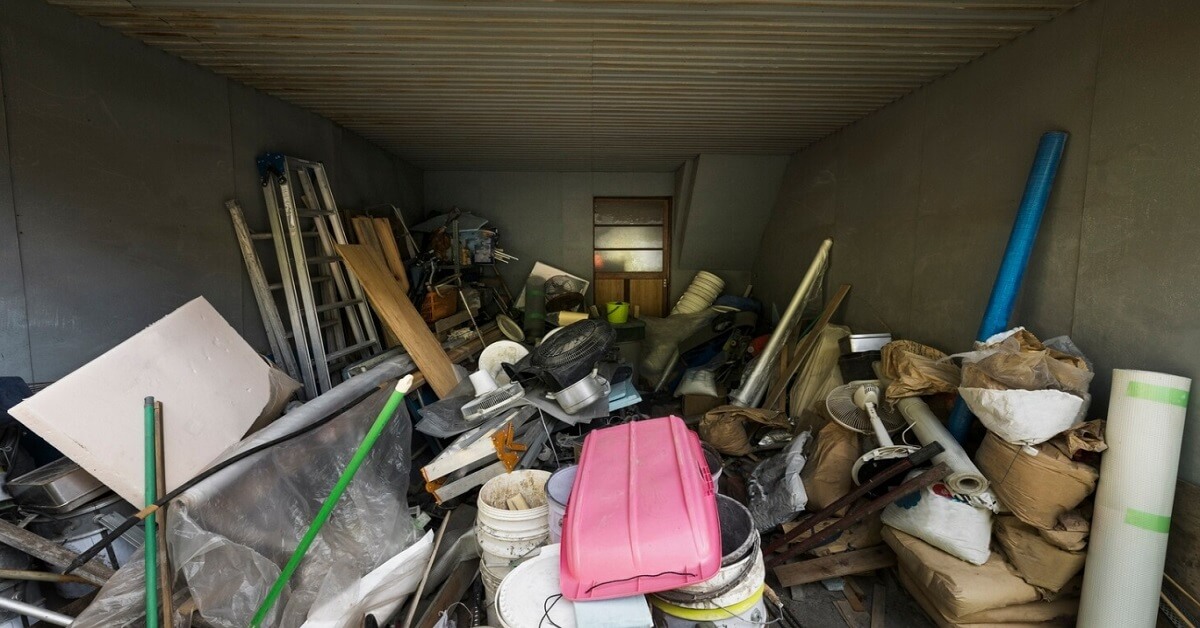
- Garage contents
- Shed waste
- General junk
- Unwanted household goods
For larger properties, professional deceased estate rubbish removal services in Brisbane can help simplify the process by handling heavy lifting, loading, transportation, and responsible disposal. This can significantly reduce the physical and emotional burden on family members.
Deal With Garden Waste and Outdoor Areas
Many deceased estates require attention outside as well as inside. Overgrown gardens, fallen branches, green waste, old fencing materials, and accumulated outdoor clutter can affect the property’s presentation and value. Outdoor cleanups commonly involve:
- Tree branch removal
- Garden waste collection
- Lawn restoration
- Shed clearances
- Outdoor furniture removal
- Soil and debris removal
- General yard cleanups
Completing these tasks can help prepare the property for sale, rental, or handover.
Ensure Responsible Disposal and Recycling
Modern estate cleanouts involve more than simply taking items to landfill. Professional rubbish removal companies in Brisbane typically separate materials for recycling and resource recovery wherever possible. Commonly recycled materials include:
- Metals
- Timber
- Cardboard
- Paper products
- Green waste
- Certain plastics
- Electronic waste components
Responsible disposal helps reduce environmental impact while complying with Queensland waste management regulations.
Prepare the Property for Its Next Stage
After the contents have been removed, the property may still require final preparation. Depending on future plans, this could include:
- General cleaning
- Deep cleaning services
- Pest control
- Minor repairs
- Carpet cleaning
- Pressure washing
- Property styling
- Real estate preparation
A clean, organised property is easier to manage whether it’s being sold, rented, transferred, or retained by the family.
Final Thoughts
Handling a deceased estate cleanout in Brisbane can feel overwhelming at first, especially during an already emotional period. However, breaking the process into manageable steps makes it far easier to navigate.
By securing important documents, sorting belongings carefully, allowing time for family decisions, arranging donations, recycling where possible, and removing unwanted items responsibly, you can ensure the estate is handled respectfully and efficiently.
The goal isn’t simply clearing a property. It’s managing a loved one’s belongings with care while preparing the home for its next chapter in the most organised and considerate way possible.
Book Your Rubbish Removal in Brisbane Today!
Get fast, reliable, and eco-friendly rubbish removal in brisbane with our experienced team. We handle everything from collection to responsible disposal, making the process simple and stress-free for you.
Contact Us